Big Eyes, Big Business: How Anime's Visual DNA Quietly Took Over American Culture
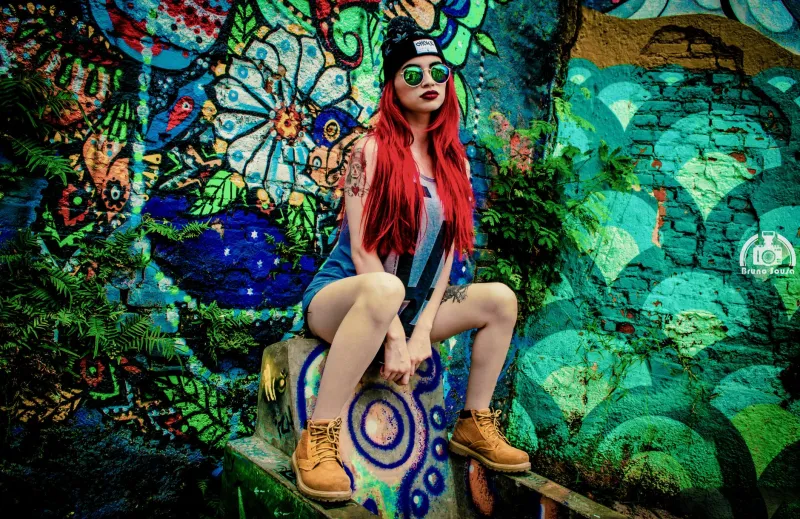
Something quietly historic happened at some point in the last few years, and it happened without any formal announcement or cultural moment you could point to. Anime stopped being a niche interest and became an aesthetic infrastructure — a visual grammar that now shapes how millions of Americans who've never watched a single episode choose to present themselves, their content, and their personal brand.
Your friend who doesn't watch anime but has a profile picture with enlarged, luminous eyes and a soft pastel background? Anime did that. The fast-fashion brand that just dropped a collab with shading techniques lifted straight from shonen fight scenes? Anime did that too. The Hollywood executive greenlit three live-action adaptations this year alone? You know the answer.
This is the aesthetic takeover nobody fully planned for.
The TikTok Pipeline
If you want to understand how anime's visual language migrated into mainstream American culture, TikTok is probably the most direct entry point. The platform's filter ecosystem has, for several years now, included a robust library of "anime-style" effects — tools that widen and brighten eyes, smooth skin to a specific kind of flat-shaded perfection, and add the subtle gloss that anime character designers have used since the '80s to suggest both youth and emotional depth.
These filters get used by people who would never describe themselves as anime fans. They get used because they look good — because the specific visual conventions anime developed over decades to make characters feel expressive and appealing translate surprisingly well to selfie culture.
This matters because it represents a genuine reversal. For most of anime's American history, the aesthetic was a marker of subcultural membership. You knew what those visual codes meant because you were part of the community. Now the codes have detached from the community entirely. The look has gone fully mainstream while the fandom remains, in the popular imagination, somewhere adjacent to it.
Fast Fashion Found the Reference Sheet
Walk through any mall in America — or more accurately, scroll through any online fast-fashion storefront — and you'll find clothing lines that are doing something interesting with color blocking, graphic placement, and character-style iconography that owes a direct debt to anime's design vocabulary.
This isn't always explicit. Brands rarely say "we're inspired by anime." But the visual fingerprints are there: the specific way oversized hoodies get cropped and detailed, the color palettes that lean into the hyper-saturated contrast of classic shonen series, the graphic tee market that has quietly normalized wearing art that looks like a frame from a fight sequence.
For Gen Z consumers, this doesn't register as "anime merchandise" — it registers as style. The cultural origin has been abstracted away, leaving only the aesthetic. Which is, honestly, how most visual movements eventually go mainstream. Jazz stopped being "Black music from New Orleans" in the popular imagination long before it became wallpaper in coffee shops. Anime's visual language is on a similar trajectory.
Hollywood's Complicated Obsession
The live-action adaptation wave deserves its own honest look, because it's both a symptom of anime's cultural dominance and a deeply mixed bag in terms of execution.
Netflix, in particular, has committed heavily to this space — with results ranging from the genuinely well-received One Piece live-action series to projects that the internet collectively agreed to forget about within a week of release. The pattern reveals something real about how Hollywood understands anime's appeal: studios recognize the audience and the IP value, but they frequently misdiagnose why the source material works.
Anime's visual language isn't just a style layer you can apply to live-action footage. The expressive conventions — the way emotional moments are punctuated by specific visual cues, the relationship between character design and personality — are load-bearing structural elements. When adaptations strip them out in favor of something that looks more "cinematic" in a conventional Hollywood sense, they often strip out the thing that made the original compelling.
The adaptations that work tend to be the ones made by people who actually understand what they're adapting. Which sounds obvious, but apparently needs to be said repeatedly.
Gen Z's Ownership of the Aesthetic
What's genuinely new about this moment isn't that anime has influenced American culture — that's been happening since the '90s. What's new is the degree to which Gen Z has claimed anime's visual language as their aesthetic, separate from any particular fandom allegiance.
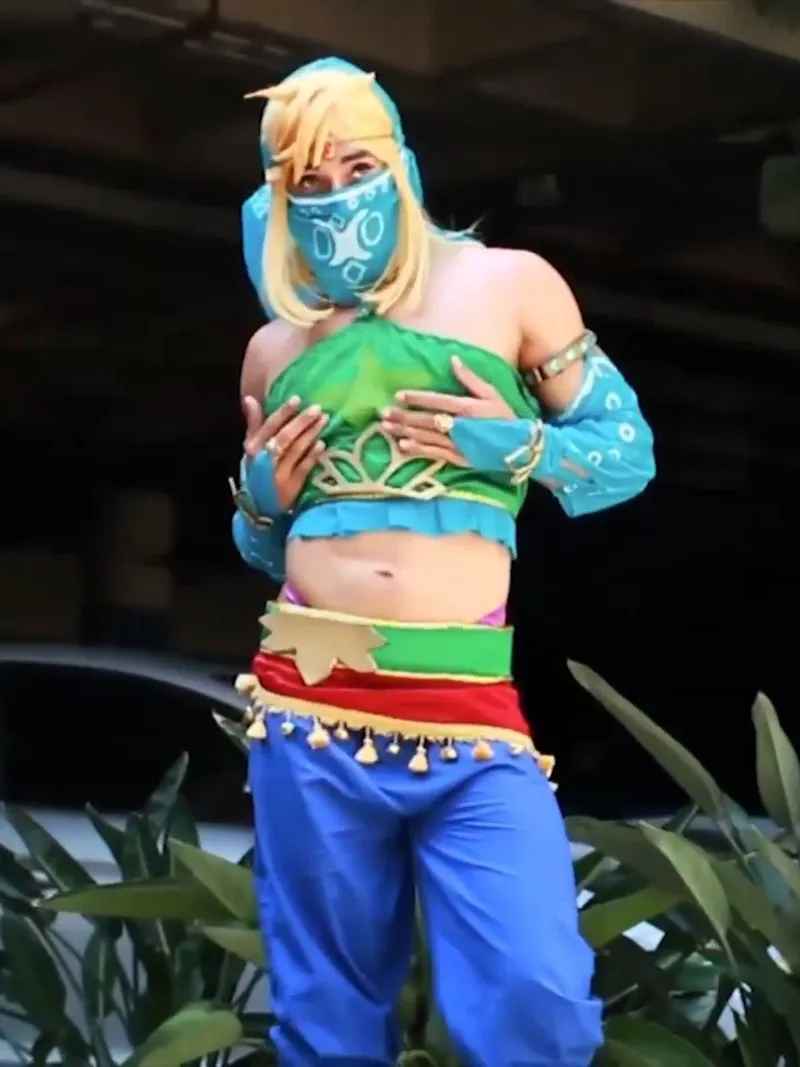
For this generation, the boundary between "anime fan" and "person who likes how anime looks" has essentially dissolved. You can cosplay an original character who looks like an anime protagonist without being attached to any specific show. You can build a visual identity around anime-adjacent aesthetics on Instagram or TikTok without ever having a conversation about which series is better.
This is partly a product of how content travels now. A striking frame from an anime series becomes a meme becomes a reference point becomes a design influence, and by the time it reaches the end of that chain, its origins are fuzzy. The aesthetic outlives the context.
What This Means for the Actual Anime Community
For longtime fans, this cultural moment is complicated. There's genuine pride in watching something you loved for years get recognized as the visual powerhouse it always was. There's also, if we're being real, a certain amount of "where were you in 2009" energy.
But the broader picture is probably good for the medium. Every person who discovers they love anime's aesthetic through a TikTok filter or a fast-fashion purchase is a potential future viewer. The pipeline from "I like how this looks" to "okay I need to know what show this is from" is well-worn and well-traveled.
Anime didn't just influence American culture. At this point, it's partially built American culture — at least the version of it that Gen Z is creating in real time. That's not a small thing. That's a whole era.