When the Subtitles Go Feral: The Glorious Chaos of Anime Translation Fails That Broke the Internet
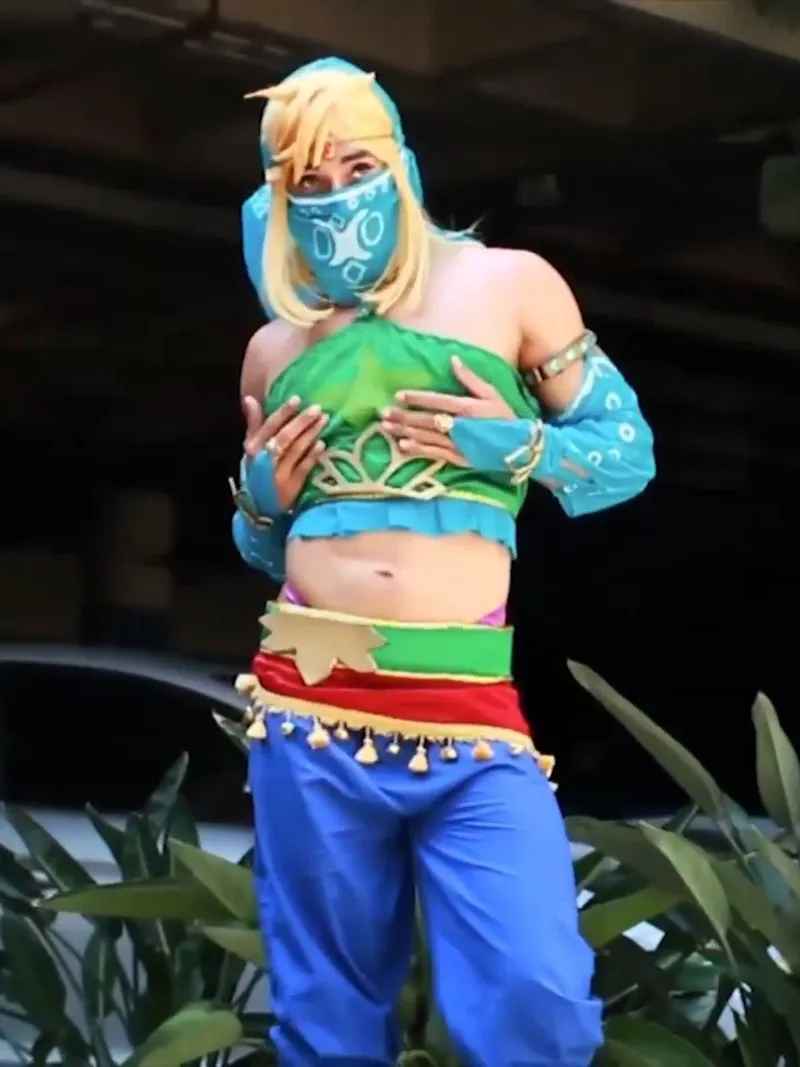
Photo: RealTDragon, CC BY 3.0, via Wikimedia Commons
There is a very specific kind of anime fan joy that comes from watching a subtitled scene and reading something so bizarre, so unexpectedly unhinged, that you pause the video and screenshot it immediately. Not because the show is bad. Not to dunk on the translator. But because what just appeared on screen is, somehow, perfect.
Anime subtitle culture has birthed its own comedy genre, and it lives rent-free in every corner of fandom online.
The Scene That Started a Thousand Memes
If you've spent any time in anime spaces on Twitter, Reddit, or TikTok, you've seen them. The subtitles that are technically accurate but read like they were run through three language filters and a fever dream. The over-literal translations that preserve every grammatical quirk of Japanese sentence structure. The localization choices so bold they feel like a dare.
Classics of the genre include the infamous "Fool! This is merely a setback!" variations that spawned countless remixes, or the perpetually misquoted lines from older dubs that fans have collectively decided are correct regardless of what the script actually says. Then there's the entire universe of fansub culture from the early 2000s, where unofficial translators would insert their own commentary, jokes, and occasionally full arguments into subtitle tracks.
These moments don't just get laughed at — they get preserved, remixed, and passed down like folklore.
The People Actually Doing the Work
Here's something the meme ecosystem tends to gloss over: professional anime translation is extraordinarily difficult, done under conditions that would make most people quit on day one.
"The turnaround on simulcast subtitles can be as short as a few hours after the Japanese broadcast," explains one translator who has worked on several major streaming titles and asked to remain anonymous. "You're making hundreds of micro-decisions per episode — tone, register, cultural context, lip-sync timing if it's a dub — and you're doing it fast. Some things are going to land weird. That's just reality."
The speed of the simulcast era, where services like Crunchyroll push subtitled episodes to global audiences within hours of their Japanese premiere, has fundamentally changed what's possible in translation. The careful, considered localization work that might take weeks gets compressed into a single shift.
"I've had moments where I'm staring at a line at midnight and I know there's a better solution, but I have fifteen minutes," the translator says. "You make a call. Sometimes it's inspired. Sometimes it becomes a meme. Usually both."
Accuracy vs. Adaptation: The Eternal Fan War
The fandom has been arguing about translation philosophy for as long as there have been subtitles to argue about. On one side: the purists, who want translations as close to the original Japanese as possible, even if the English reads awkwardly. On the other: the localization advocates, who argue that the goal is to make the audience feel what the original audience felt, which sometimes means taking creative liberties.
This tension is most visible when a beloved fansub translation gets replaced by an official one. Fans who grew up with a particular phrasing — even a technically incorrect one — often reject the "accurate" version on emotional grounds. The "wrong" translation is the one they fell in love with. It's the one that was playing when the scene hit them for the first time.
There's a reason people still quote the 4Kids One Piece dub ironically. Familiarity breeds affection, even when the source material got mangled.
When the Translation Becomes the Bit
Some subtitle quirks have taken on lives so independent from their source material that they function as standalone comedy. The over-literal "I shall destroy you with my own hands" construction. The deeply formal villain monologues that read like a Victorian letter. The character who says something that, in Japanese, is a perfectly normal expression of frustration but in direct translation sounds like they're delivering a TED Talk.
These moments go viral not because fans want to mock the translator but because the collision of linguistic structures is genuinely funny. Japanese and English are structurally very different languages — different sentence orders, different levels of formality encoded directly into verb forms, different ways of expressing relationships between speakers. When you pull a phrase out of one system and drop it raw into another, the friction creates comedy.
Content creators have built entire channels around this. Reaction videos to "unhinged" subtitles regularly outperform clips of the actual dramatic scenes they come from. The meta-commentary has become its own entertainment layer sitting on top of the original show.
The Fansub Legacy
You can't talk about anime subtitle culture without acknowledging the fansub community — the volunteer translators who spent years making anime accessible to Western audiences before official licensing caught up. Fansubbers operated outside any formal quality control, which meant the work ranged from genuinely excellent to spectacularly chaotic.
But it also meant freedom. Fansub groups could experiment with translation styles, insert cultural footnotes, and develop distinctive voices. Some of those unofficial translations became the definitive versions in the minds of a generation of fans — not despite their quirks, but because of them.
The fansub era is largely over, replaced by official streaming with professional teams. But the sensibility it created — the expectation that subtitles could be funny, could be expressive, could be their own kind of art — never went away.
Why We Love the Weird Ones
At the end of the day, the subtitle moments that break the internet aren't celebrated because fans want perfect translation to fail. They're celebrated because they're proof that human beings, working under pressure, in the gap between two very different languages and cultures, sometimes produce something accidentally beautiful.
A translator who had to make a call at midnight and picked the funniest-sounding option. An editor who was too tired to catch the line that would become a reaction image used 40,000 times. A fansub team that decided to just lean into the chaos.
Anime subtitle culture is a comedy genre built on mistakes, constraints, and the beautiful weirdness that happens when language refuses to behave. Long may it continue.