Sorry, Deku: American Fans Would Rather Stan the Villain, and the Merch Sales Prove It
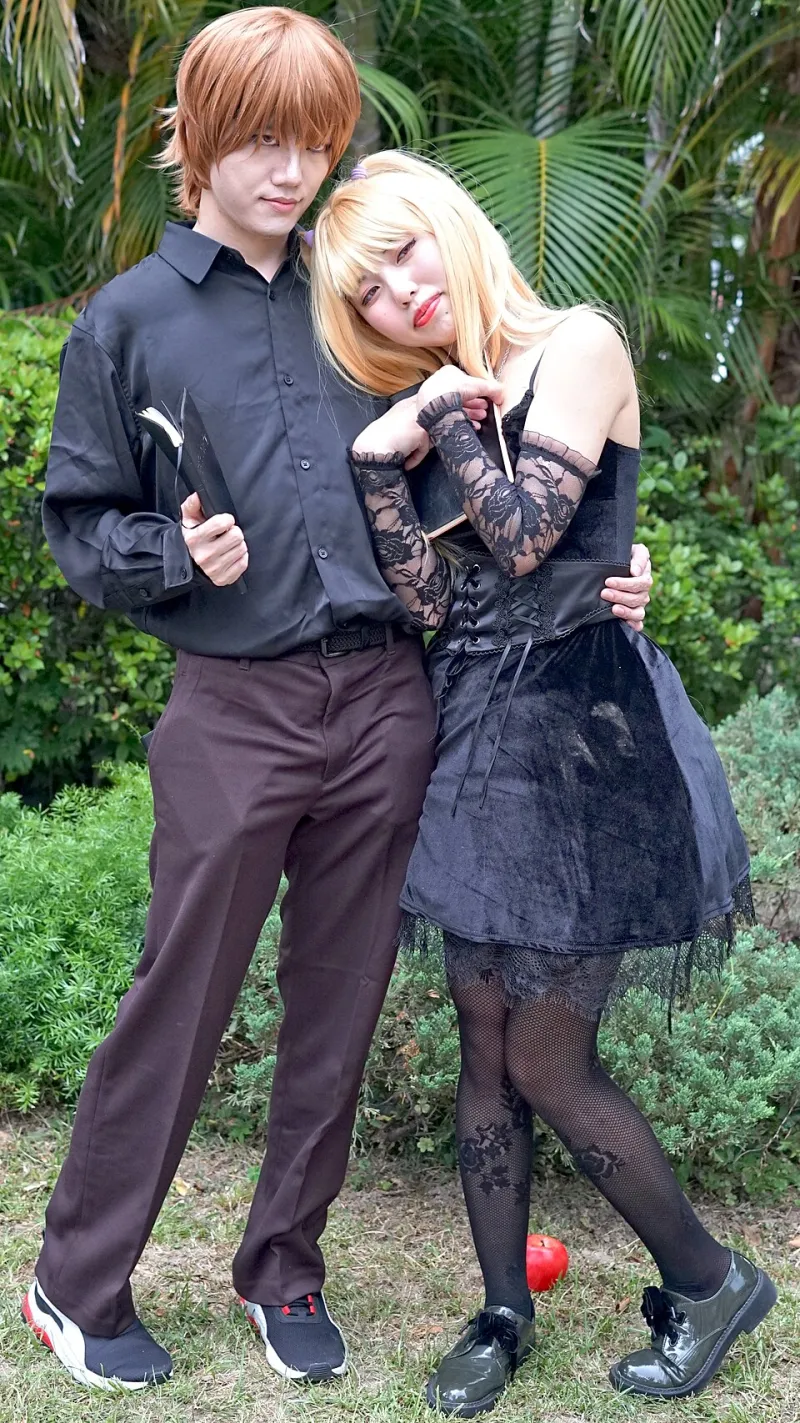
Photo: Solomon203, CC BY-SA 4.0, via Wikimedia Commons
Ask a con crowd to name their favorite anime character and count how long it takes before someone says a name that should get them on a watchlist. It's never long.
American anime fandom has a villain problem, in the sense that we have an entire economy built around loving characters who are, to put it mildly, not great people. Johan Liebert ordered a room full of people to shoot each other and then became a popular Discord avatar. Makima turned companionship into a control mechanism and promptly became the most cosplayed woman in the room. Griffith did the thing and still wins popularity polls.
Let's rank the reasons this keeps happening.
1. The Merch Doesn't Lie
Follow the money. Villain character figures, shirts, and keychains routinely outsell the heroes they oppose at US retailers and cons. Good Smile's most in-demand pre-orders skew heavily toward antagonists. Fans don't buy a t-shirt of the guy who shares his lunch; they buy the one who'd burn the cafeteria down.
2. Complexity Is the Flex
Liking a hero is easy. Liking a villain — and being able to articulate why — signals media literacy in fandom spaces. The essay-length Reddit defenses of Makima's writing, the video essays dissecting Johan's philosophy, the endless Griffith discourse: engaging with a well-built antagonist is a participatory sport. Heroes ask to be admired. Villains ask to be analyzed.
3. The Hero Is Boring by Design
Shonen protagonists are built for a mass audience, which means they're built for maximum inoffensiveness. Naruto, Deku, Tanjiro — genuinely lovable, but their arcs are legible from episode one. A great villain is the only character in the story allowed to be unpredictable, and unpredictability is catnip for audiences raised on twist-heavy prestige TV.
4. Cosplay Villains Get the Better Fit
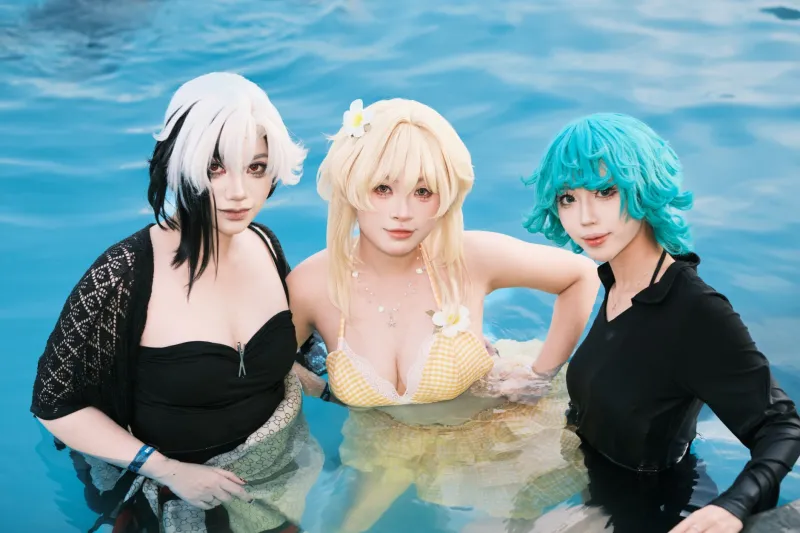
No notes. The villain costume is always the one with the drama. A hero wears the same outfit for 200 episodes; the antagonist gets a monochrome suit, a controlled smile, and lighting that makes every con photographer's job easier. Ask any cosplay photographer who their most-requested subject is. It is not the protagonist.
5. American Audiences Have Trust Issues
There's a cultural layer here too. US pop culture has spent two decades teaching viewers to suspect institutions, mentors, and happy endings. A character like Makima — authority wrapped in warmth — reads as a commentary audiences recognize. We don't love her because we missed the point. We love her because she's the point.
6. Studios Caught On, Fast
The industry noticed. Modern anime increasingly builds its marketing around the antagonist — trailers cut to the villain's monologue, key art puts them front and center, and serialization schedules give villains the most quotable lines. When Chainsaw Man dropped, Makima was the poster before Denji was.
The Uncomfortable Takeaway
None of this means American fans endorse fictional war crimes. It means the bar for a hero has become so predictable that the villain is the only character with room to surprise us. Complexity sells; certainty doesn't.
Studios know it. The merch numbers know it. And somewhere out there, a fan is pre-ordering the Johan figure while insisting they're "only interested in him as a writer's exercise." Sure you are. We all are.